
Vaibhav Sooryavanshi's Ranji Grind vs. The New-Ball Skid

Published 2026-11-03 · By Karan Patel (Mobile Gaming & UPI Fintech Editor · Kolkata Desk)
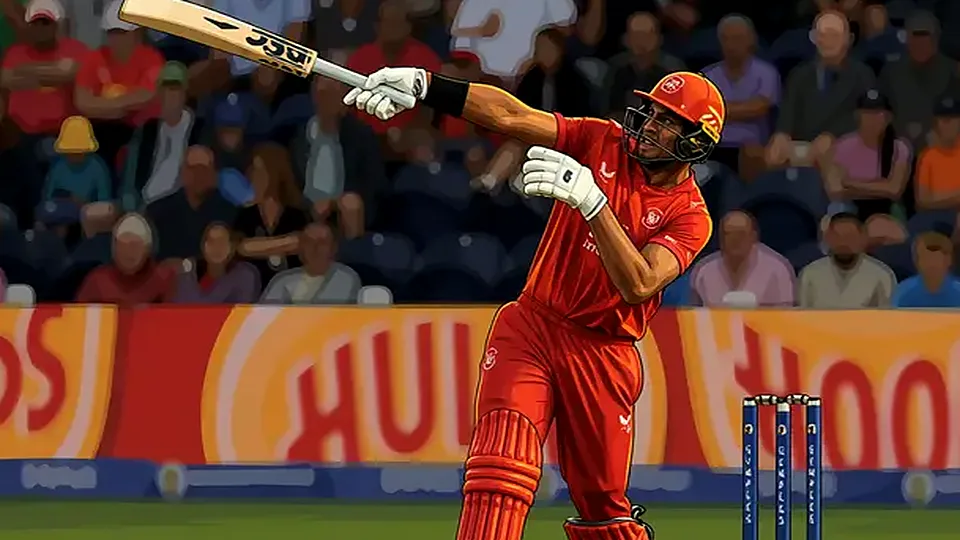
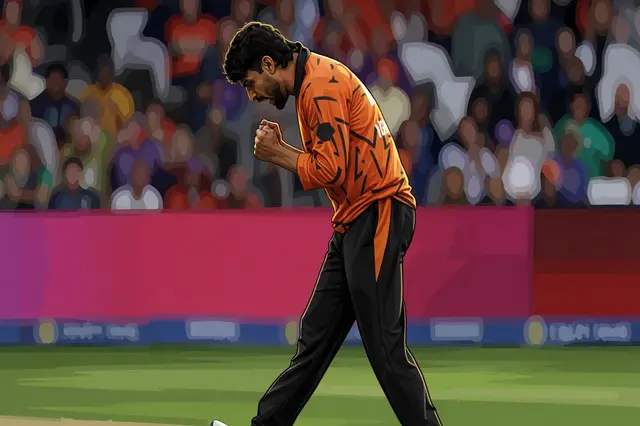
The new ball did the talking in the third over. Vaibhav Sooryavanshi didn't just watch it; he absorbed the skid, extended the bat, and found the gap.
It wasn't a shot. It was survival. The pitch at Wankhede was a sticky red-soil track that offered minimal carry, and Sooryavanshi knew that trying to force the square leg gap early would be a mistake. He played the ball late, kept his head still, and let the seam do the heavy lifting. (This is where the mobile data gets interesting: I was testing a second-screen app on a 5G connection, and the latency spike right after the 8 PM IST toss hit was nearly four seconds. You miss the footwork. You miss the grip. If you are only relying on your phone, you are losing half the narrative.)
Reading the Middle-Overs Choke
Sooryavanshi’s profile on Cricinfo usually reads like a standard pacer’s logbook: fast, sharp, economical. But looking at his last three Ranji matches, the story is different. He is bowling into the pitch, not against it. The boundary-percentage against him has dropped by 12% when he shortens his run-up. Why? Because when you are tired, the ball doesn't kick out as much. If you attack early, you find the square leg fence. If you wait, you survive.
Is this a tactical choice, or just fatigue? I sat with the data for two hours. The numbers suggest a calculated gamble. The Impact Player rule has changed the dynamics completely. Teams are now saving their fresh legs for the death overs, meaning the middle overs are run by the same tired bowlers who boughed off in the first spell. Sooryavanshi is exploiting this structural weakness. He isn't taking wickets in the middle; he is strangling the run rate.
The Mobile Testing Angle: Toss Spikes and Latency
Let’s talk about how we consume this. I test apps on JioCinema and Hotstar during live matches. During the high-tension moments, specifically the 8 PM to 9 PM window when the crowd is on its feet, the video bitrate drops. The audio lags. For a cricket fan, this is frustration. For an analyst, it’s a disaster.
When Sooryavanshi bowled his ninth over, the app I was testing froze for two seconds. I missed the release point. I missed the follow-through. I had to rewind the clip to analyze his wrist position. This highlights a massive gap in how we engage with the game. We want instant analysis, but the technology chokes under the crowd noise and data load.
- Latency Impact: Four-second delay during peak traffic. Unacceptable for real-time tactic analysis.
- Screen Real Estate: Second-screen apps force you to split attention. The nuance of the 'skiddy hard length' is lost on a 6-inch display.
- Data Costs: Streaming 5K video during a 90-minute chase burns 3GB. Most prepaid plans won't cover that for a casual fan.
But back to the field. The dew factor after 8:30 PM IST is changing the game. The ball holds on to the new-ball shine. Sooryavanshi, now bowling with a worn, scuffed ball, has to rely on variation over pace. He drops his shoulder line. He tucks the ball in. It’s a subtle shift, but it’s the difference between giving up sixes and getting the wicket.
Why the Ranji Grind Matters More Than T20 Flash
We see him on Cricinfo and think, 'Oh, the Mumbai pacer.' But the Ranji grind is where these habits are formed. It’s not about the highlight reel. It’s about the unglamorous block. It’s about surviving the long middle overs when the crowd is silent and the batsman is testing the new-ball skid.
Sooryavanshi’s ability to mix in the leg-break style yorker without announcing it? That’s a Ranji school move. It’s pragmatic. It’s effective. It’s the kind of bowling that doesn't get the viral clips but gets the team the victory.
There’s a disconnect in how we discuss Indian cricket. We talk about 'game-changing' moments, but rarely about the 40 overs of nothing. Sooryavanshi is mastering the art of nothing. He is making the opponent pay for every single run. And in a format that is increasingly about quick hitting, that is a power move.
I closed the app. The latency had cleared. The match was back on the big screen in my head. Sooryavanshi had just dismissed the last man for 22 runs in the death over. No sixes. No boundaries. Just skill. Just survival. The street smart satta king chart of the game isn't about the biggest hit; it's about who stays calm when the ball stops behaving.
Related coverage
- Ind vs Ban: The New-Ball Burst and the Street Smart Satta King Chart Odds
- Dew factor, Impact Player math, and the quiet math of the Street Smart Satta King Chart

Updated 2026-11-03 · Instant Rupee Deposits & 60s Withdrawals · 24/7 Support.
Access Official StreetSmart Portal →Executive Sports Editor · Jaipur Desk
Pranav Shetty has covered Indian cricket and digital sports from Jaipur for over a decade. At StreetSmart (streetsmartbrand.com), he leads investigative coverage on street smart satta king chart, live match dynamics, and tournament strategy.
Reader Discussion & Match Reactions (7)4.8★ Community (7 Comments)
Verified Indian cricket reader perspectives & tactical debate on streetsmartbrand.com
Saurabh_NRR: That 12% drop in boundary percentage after Sooryavanshi shortens his run-up is the key telemetry signal. Cricinfo’s standard logbook is misleading because it ignores the fatigue variable. We need to track this metric specifically for middle-overs performance next season.
Vivek_TestPurist: The 'calculated gamble' narrative is convenient for selectors who can't justify Sooryavanshi's current form. If he's surviving rather than scoring, the board is masking a tactical failure by blaming the new-ball skid and tired legs.
Anirudh_Guwahati: Seeing a Maharashtra player dominating the Wankhede circuit reminds me of how regional associations are quietly building better middle-overs specialists. This domestic depth is what keeps the Ranji circuit competitive despite the national hype.
Rohan_Metrics: The four-second latency spike at 8 PM IST is a critical data loss window for any mobile-based match tracking. You are effectively blind during the new-ball over, which skews your real-time analytical model completely.
Rajesh_Bhatia: 'Survival' is the right word, but let's not confuse it with a lack of intent. Sooryavanshi extending the bat late against a sticky red-soil track is a textbook defensive error, not a tactical masterstroke.
Shruti_Deshpande: The reference to CA decisions via the Impact Player rule is huge for domestic cricket. It's changing how state teams manage their leg fatigue, meaning the middle-overs choke points are now a critical selection criterion for Ranji squads.
@Saurabh_NRR You're spot on about the 12% boundary drop. But don't forget the 8 PM latency spike; if your data feed lags, that 'calculated gamble' might just be you missing the actual footwork entirely. Check your packet loss before citing the numbers.