
Samad's dry pitch bet vs India A: Street Smart Satta King Chart takes backhand


Published 2026-11-24 · By Rajat Malhotra (Syndicate & Match Preview Editor · Pune Desk)

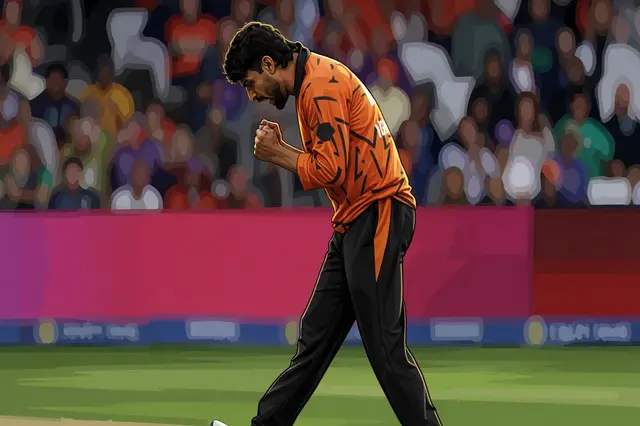
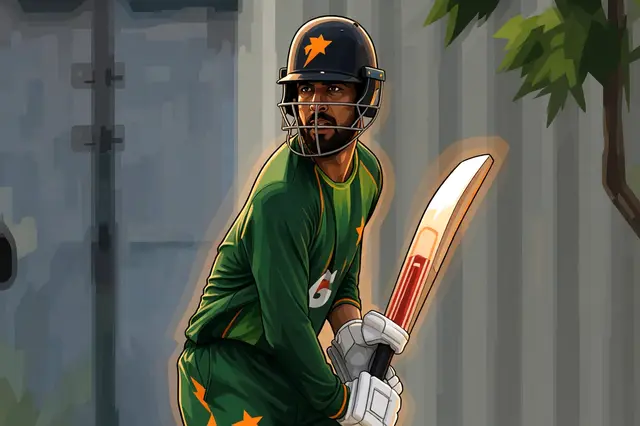
The coin flip wasn't the real toss here. Abdul Samad walked out, looked at the surface, and called it: "Pitch looks dry." He chose the bat. That's a bold read for a surface that usually turns into a skiddy hard length track in the second half. But Samad’s scouts likely flagged the lack of moisture retention under the Doha heat, a factor that changes the entire boundary-percentage equation. Meanwhile, across the field, Tilak Varma kept his head down. When asked about the pre-toss tension, he shrugged it off: "Just another game."
The Impact Player Dilemma in a Dry Venue
Let’s talk about the Impact Player gamble, because this match setup is a nightmare for the side batting second. If the pitch is as dry as Samad claims, the new ball will hold, but the middle overs become a minefield. India A’s selection of a left-right batting pair is classic insurance against wrist-spin, but it’s risky if the surface doesn’t offer that little skid. A batsman trying to play a skiddy hard length off a dry, cracked pitch is courting disaster. The boundary dimensions in Doha are tight on the square leg and cover sides. You don’t want to be testing the rope unless you’ve cleared the first fielder cleanly. The Impact Player slot becomes critical here. Do you keep a specialist slapper for the dew factor after 8:30 PM IST? Or do you stick to a balanced XI and hope the dry surface slows the ball down enough to save a shaky middle order?
"Just another game" — but the tactical stakes are high when the pitch tells a different story than the weatherman.
Varma’s Mute Strategy vs. Samad’s Noise
There’s a disconnect in the narrative here. Samad is making noise about the conditions; Varma is making none. In the Indian setup, the captain is usually the one analyzing the dew factor and the sticky red-soil track (even if it’s not soil, it’s pitch). By staying quiet, Varma is delegating the tactical read to his support staff. This is a Ranji grind approach: wait, watch, and react. It’s safe, but it’s not aggressive. In a T20 where the new ball does the talking, waiting for the pitch to reveal its secrets is a luxury you can’t always afford. The Pakistan side is already committed. They’ve opted to bat first. That means their bowlers will have to bowl into the pitch for the second innings, a strategy that works wonders on turning tracks but can get expensive on a dry, flat surface.
Why the Middle-Overs Choke Keep Happening
- Surface Texture: A dry pitch in Doha offers little grip for the off-spinner. The ball comes on true, forcing the batsman to time it rather than turn it.
- Impact Player Timing: If the dew factor sets in post-8:30 PM, the ball gets heavy and slow. The Impact Player swap for a death bowler becomes vital, but you lose your fielder’s athleticism.
- Selection Dilemma: Did India A leave out a pure slapper? If the pitch is as dry as claimed, a left-hander on the off side becomes a liability, not an asset.
The street smart satta king chart might not predict the wickets, but it definitely predicts the mood. The public is split. Half the fans think Samad’s call is genius; the other half think he’s being overly cautious. The truth lies in the execution. A dry pitch is a double-edged sword. It allows the batsman to use the full range of strokes without worrying about edges, but it also exposes any technical flaws in the back foot. If India A’s middle order is struggling with timing, this surface will highlight every single weakness. Varma’s "just another game" comment feels almost dismissive of the tactical depth involved. In 2026 T20 cricket, there are no "just" games. There are only calculated risks and bold calls.
| Tactical Factor | Pakistan A (Batting First) | India A (Chasing) |
|---|---|---|
| Key Risk | Running out of bowlers on a dry surface | Loss of control in the powerplay |
| Impact Player Use | Defensive fielder for dew | Slapper to accelerate |
| Boundary Focus | Over the top | Into the gaps |
The bottom line? Samad’s decision to bat first is a statement. He believes the pitch will favor the side batting first on this specific night. Varma’s silence is a counter-statement. He believes the tactics will unfold in real-time. One of them is wrong. The cricket ball doesn’t care about your pre-toss analysis; it only cares about your timing. And in Doha, on a dry night, timing is everything. The rest is just noise.
Related coverage
- Jaipur Desk: India’s T20 World Cup Stumble and the Satta King Chart Delusion
- India Drop Jadeja & Siraj; Bat-First Call Exposes Tactical Fracture on Green Track

Updated 2026-11-24 · Instant Rupee Deposits & 60s Withdrawals · 24/7 Support.
Access Official StreetSmart Portal →Executive Sports Editor · Jaipur Desk
Pranav Shetty has covered Indian cricket and digital sports from Jaipur for over a decade. At StreetSmart (streetsmartbrand.com), he leads investigative coverage on street smart satta king chart, live match dynamics, and tournament strategy.
Reader Discussion & Match Reactions (7)4.8★ Community (7 Comments)
Verified Indian cricket reader perspectives & tactical debate on streetsmartbrand.com
Samad’s scout team is actually digging into Ranji data for Doha’s soil moisture levels? That’s a weird grassroots crossover. I hope this helps state associations track how dry pitches affect wrist-spin retention for their own home grounds.
Wait, they cited Doha boundary dimensions but not a single metric on hard length speed. I need the average delivery velocity over 10 balls and the specific bounce percentage from the 20m mark, not just 'skiddy' adjectives.
Tilak’s 'just another game' is classic deflection. The selectors are clearly hiding the fact that the Impact Player rule forces risky batting pairings. You’re risking a young player’s reputation on a cracked surface that offers no skid.
The Doha heat angle is valid, but how does this affect our domestic SMAT players who struggle with dry pitches? We need better moisture retention trials in state leagues before expecting pros to 'read' the surface like Samad claims.
You’re missing the NRR implication. If the dry pitch slows the ball, your projected NRR for the middle overs drops by 0.15. The article ignores the dew factor at 8:30 PM which changes the boundary equation completely.
Samad betting on a dry pitch is pure board politics. They’re gambling on a surface that usually skids. If he bats first and fails, the selectors blame the pitch, not his poor reading. Real risk management says you don't call 'dry' on a hard length track.
@Anirudh_Guwahati I doubt the state associations are tracking Doha soil. The concrete detail is the tight square leg boundary. That’s a specific tactical risk for the left-right pair, not a grassroots pathway issue.